There's something rather unfair about the activity called "cleaning the pool." After all, what did we get a pool for in the first place? Didn't we build it so we could have a more beautiful, sparkling life, full of pampering water under an eternal sun? Why should we have to stand there with a rag in one hand and a list of complaints in the other, scrubbing away?
Well, here's why: 1. We don't really have a choice. 2. It doesn't take too much effort. We promise.
Here are some light but important tips that will keep your pool from wanting to call the health department, keep it clean and pleasant to swim in, and extend its lifespan.
1. Build a Regular Cleaning Routine
How often should you clean your pool? There’s no exact rule of thumb, but on average, once a week is a good target. Naturally, if you used the pool more than usual last week, or if the pool water was exposed to unexpected or harmful substances, add an extra cleaning “shift.” Even if you decide to space out your cleaning sessions, stick to a regular, organized routine that also includes cleaning the filters, strainer baskets, the robotic cleaner, and more.
2. Grab a Net
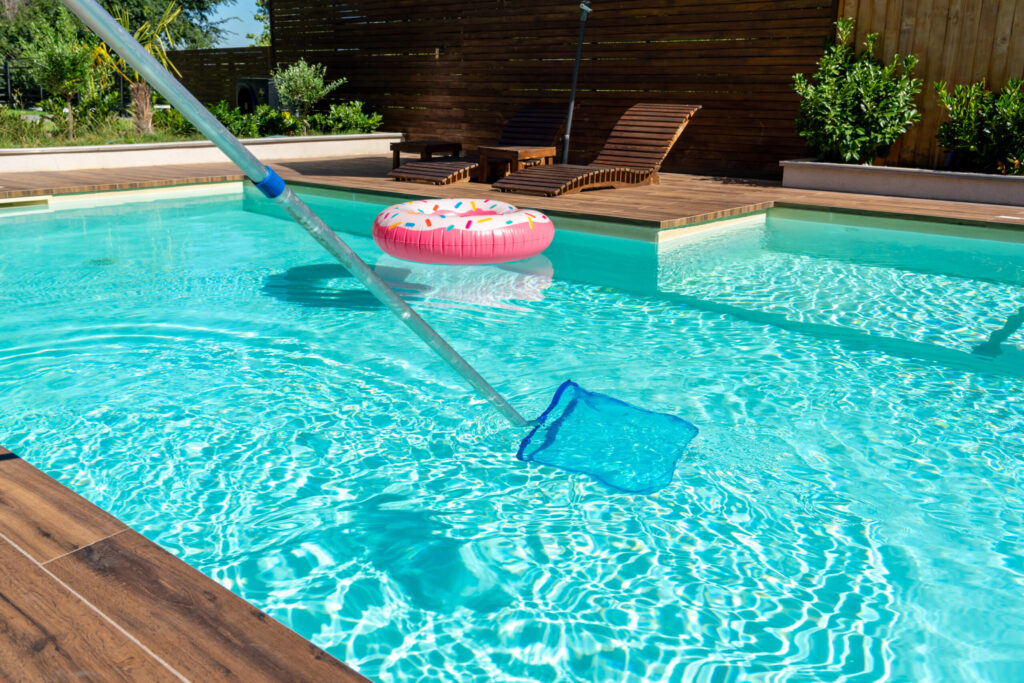
Every good pool cleaning starts with the basics: casting a wide net into the water and enjoying a bit of “fishing” for leaves, dirt, and snack leftovers floating in the pool.
3. Keep the Water in the Pool (Even When It's Not in Use)
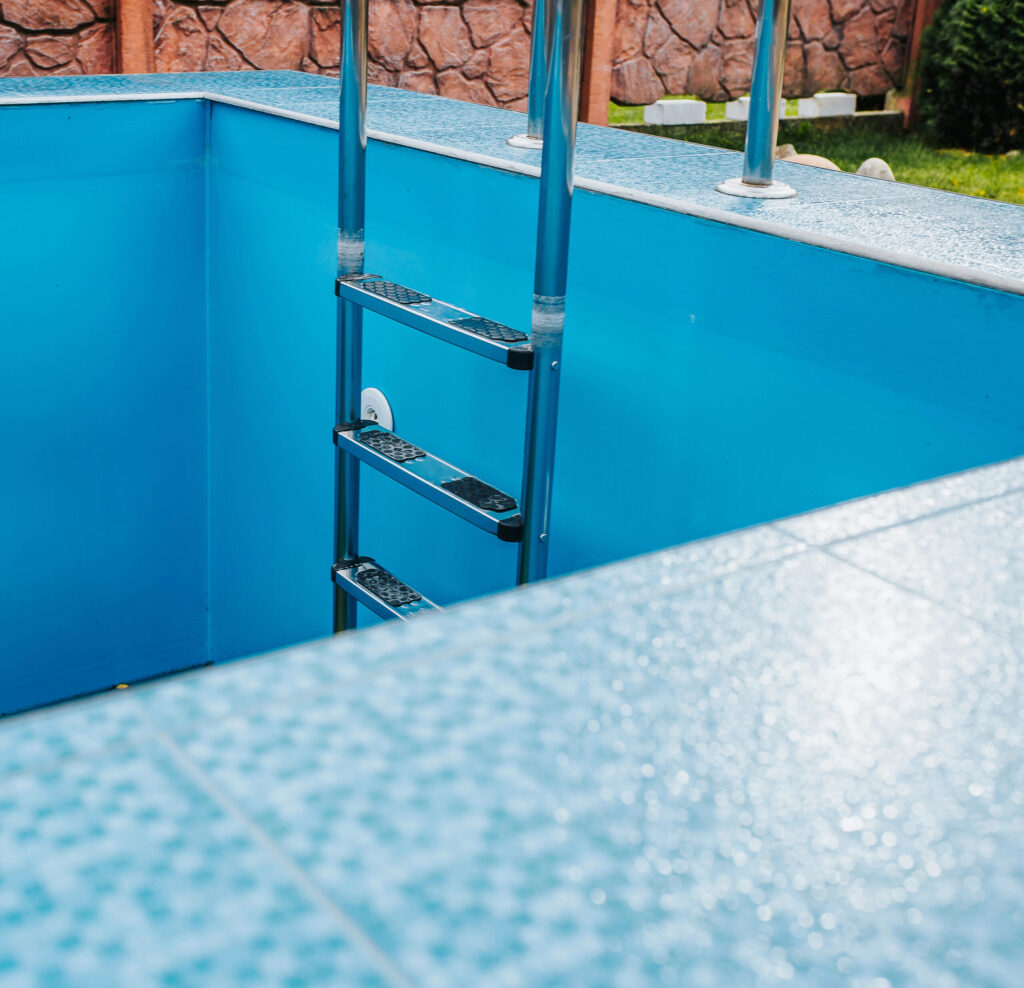
If you’re tempted to drain the pool completely when it’s not in use, thinking it’ll save you the trouble of regular cleaning, we strongly recommend against it. When a pool sits empty, it can suffer damage, develop cracks, and become quite an attractive spot for pests. All the cleaning rules we’re about to cover apply when the pool is full.
4. Keep Things Balanced
The chemicals in your swimming pool need to be balanced at all times. This is one of the most basic ways to keep the water healthy and clean and to prevent damage. We naturally recommend an automatic sanitizing system that uses salt instead of chlorine to clean the pool (you can read more about it here, but in short: it’s a natural solution in which salt converts into chlorine, making it a very, very effective and healthy option. Really, very).
To keep bacteria from wanting to live in your pool, algae away, and the water sanitized at all times, it’s important to check the balance of the sanitizing agent you’re using, make sure there isn’t too much or too little of it, and adjust the chemical levels as needed.
5. When There's No Superman, Be Your Own Superman
True, we promised easy, simple tips, but for your pool to be truly clean and sanitized, it’s worth doing a thorough “spring cleaning” every so often to make sure it’s really clean. That calls for a deep scrub, whether you do it yourself or bring in professionals.
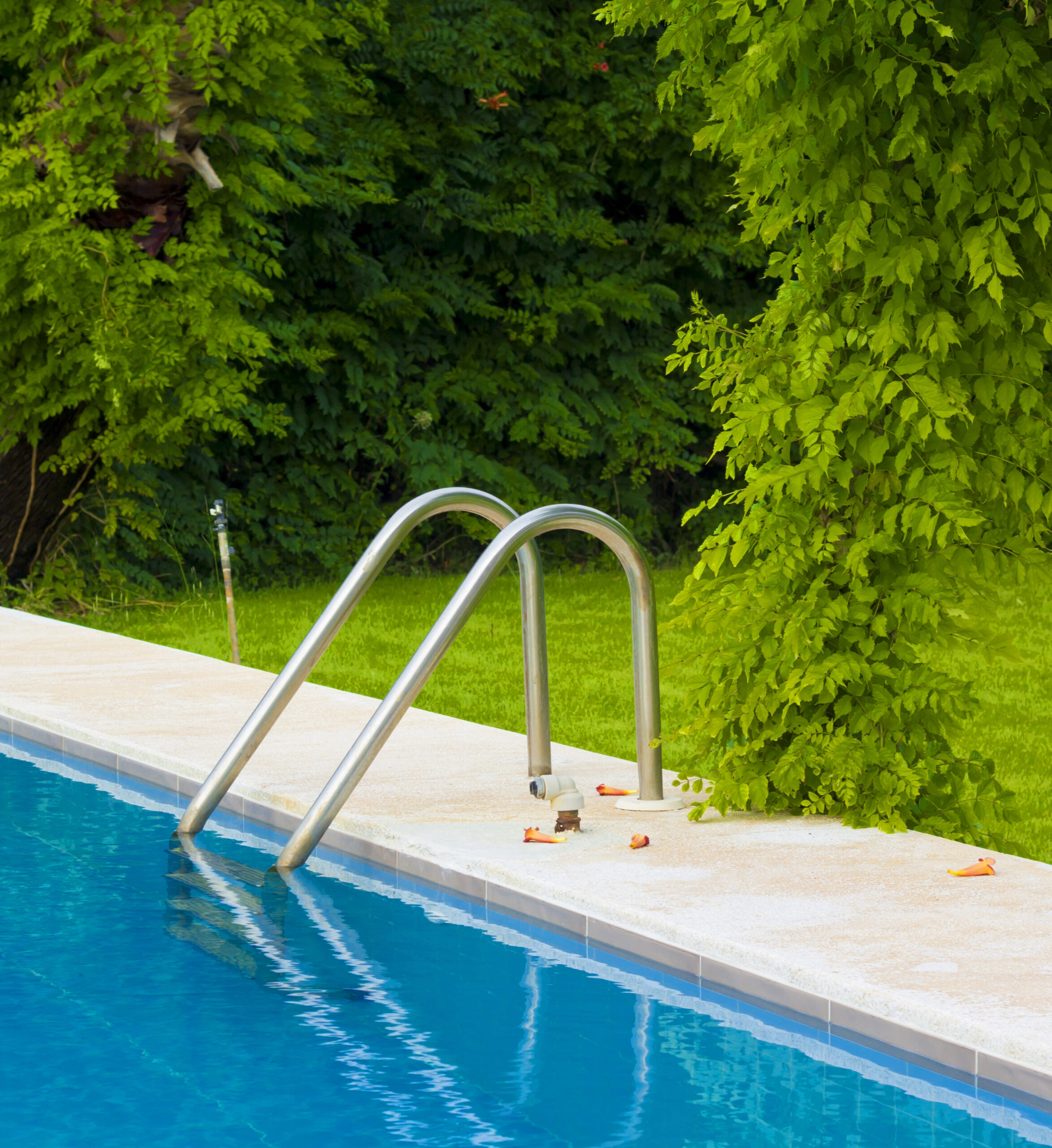
There are parts of the pool that always end up neglected, like ladders, entry steps, corners, and any hard-to-reach areas, and that neglect creates fertile ground for bacteria and grime.
6. Clean the Pool Edge
Another area of the pool prone to bacterial trouble is the pool edge. Even though it’s fairly dry most of the time and protected by tiles, bacteria and unwanted debris from the water can still build up there, staining the pool and affecting water cleanliness. Clean this area too.
7. Clean the Pool Floor
The pool floor may be out of sight and out of mind, but when it’s not clean (due to unbalanced chemistry or oils building up at the bottom, for example), it can cause quite a bit of hygiene trouble. To prevent stains from forming and to remove ones that have already built up, stick to a regular cleaning routine and, when needed, use a soft brush to scrub. You can also add natural cleaning agents to boost the effect (avoid harsh chemicals, which can throw off the pool’s chemical balance!).
8. Robot to the Rescue
If needed, and if you find you can’t keep up with pool cleaning on your own, consider adding a robotic pool cleaner to do the hard work for you. Effortless, maximum efficiency, and impressive speed, exactly how we like it.
9. Avoid Sharp Objects Near the Pool (Yes, This Is About Cleanliness Too)
Sharp objects or toys that aren’t suited for the pool environment can tear the pool liner and let in bacteria, algae, and other contaminants. It’s best to take precautions and avoid using sharp objects in or around the pool.
10. Cover the Pool
One of the best ways to protect your pool is to cover it when it’s not in use. This protects the pool water and its surroundings from dirt, debris, and contaminants, as well as from the accelerated wear caused by sun exposure.