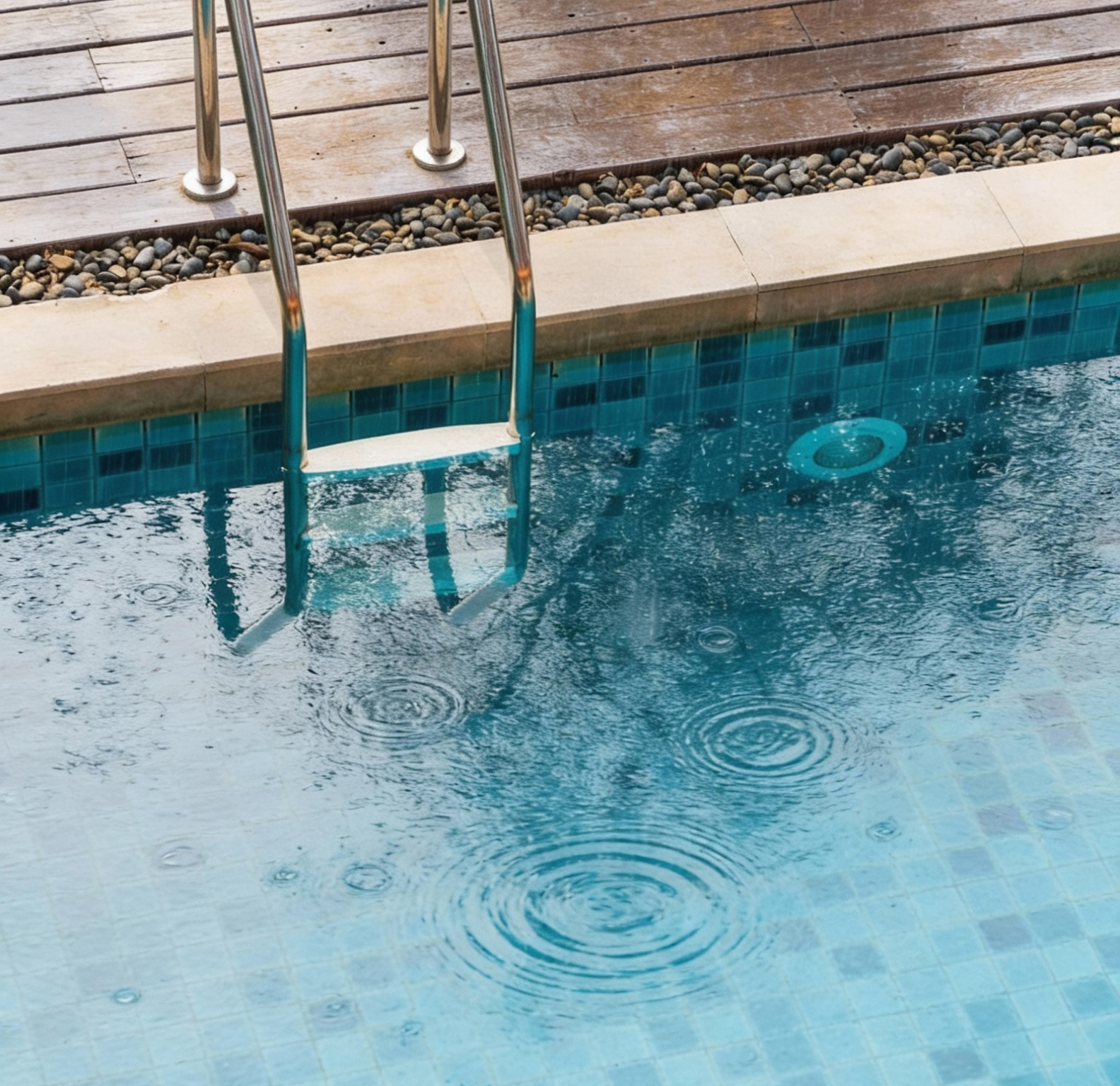
The Winter Is Coming - But No Need to Panic
We’ve recently had customers reaching out for information on proper pool maintenance during winter: how do you protect your salt system in cold weather? What are the common alerts? How do you handle them?
We’re here to help you get organized and reach summer with a clean pool that’s ready to go.
As a general rule, if you’re not swimming in the pool during the winter months, we recommend stopping the chlorinator’s operation for the season and using one chlorine tablet a week, depending on your pool size and your pool technician’s recommendation.
There are two reasons to stop the chlorinator during winter:
- Pool use drops to almost nothing in winter, so there’s no need for a high level of disinfection
- You save on the salt system’s operating hours, which extends the system’s lifespan and saves you money!
Cleaning the Pool and Filter
The pool pump is still there to help keep your pool clean, but it needs your help too, both to protect the pool floor from algae, green scum, leaves and other debris that can build up.
Be sure to regularly brush the pool walls and floor, and keep the filter clean.
Balancing the Pool's pH
Your pool’s pH level should stay between 7.2 and 7.6, even during the winter months.
If you have a chlorinator from the Resilience D+ series, your system also comes equipped with sensors that measure and monitor pH levels. Make sure these sensors don’t dry out and stay submerged in water throughout the winter.
Chlorine Levels and Chlorinator Care in Winter
During the cold winter months, your pool needs significantly less chlorine, and that’s news your internal maintenance routine will be happy to hear.
But hey, that doesn’t mean you can rest on your laurels!
We recommend lowering the filter’s activity to its minimum level, so it isn’t “working hard” while the pool is out of use, but is still effective. At this point, your salt device will automatically lower chlorine production, down to just 20%.
This simple step will save you time and resources, protect your salt system from cold water that can harm its operation, and even extend the life of the electrolytic cell.
Covering the Pool
One of the best ways to keep leaves and other wind-blown debris out of your pool water is to use a pool cover. This means less cleaning for you and a more hygienic pool throughout the winter months.
It’s also worth knowing that a pool cover reduces the chlorine production rate by about 25%, so covering your pool in both winter and summer helps extend the life of your salt system.
To sum up, to truly get through the winter season worry-free, keep up with regular maintenance as needed throughout the period.
A little work in winter will save you a lot of time and money at the start of swimming season.